Sharing is Caring and Pet Safe Foods: What Foods Can I Share With My Pet?
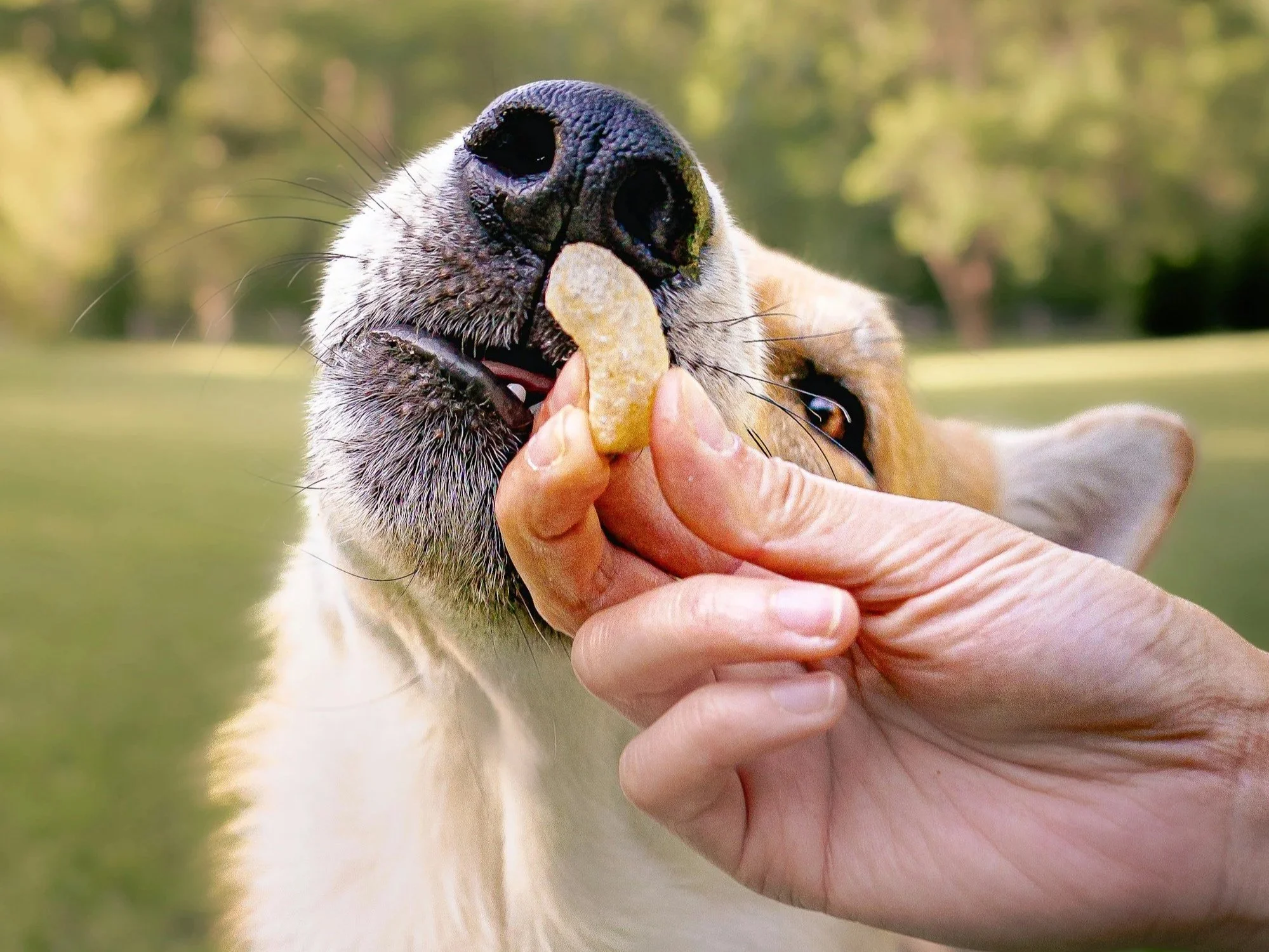
Sharing food is an incredible way to bond with people, and the same goes for our pets. Although previously thought to be ‘bad behavior’ or ‘poor training,’ we know that our pets are social animals and food is a big part of that socialization with us.
Pet Safe Food
While we don’t want to unbalance our pet’s diets or cause an upset stomach, sharing snacks is generally safe and a great way to enrich their lives. It can also be fun to find your pet’s new favorite snacks. It can be hard to know what our pets safely eat.
If your pet has any health conditions, always check with your vet first to be sure. Otherwise, here are some snacks to explore with your dog or cat, and watch them experience new flavors.
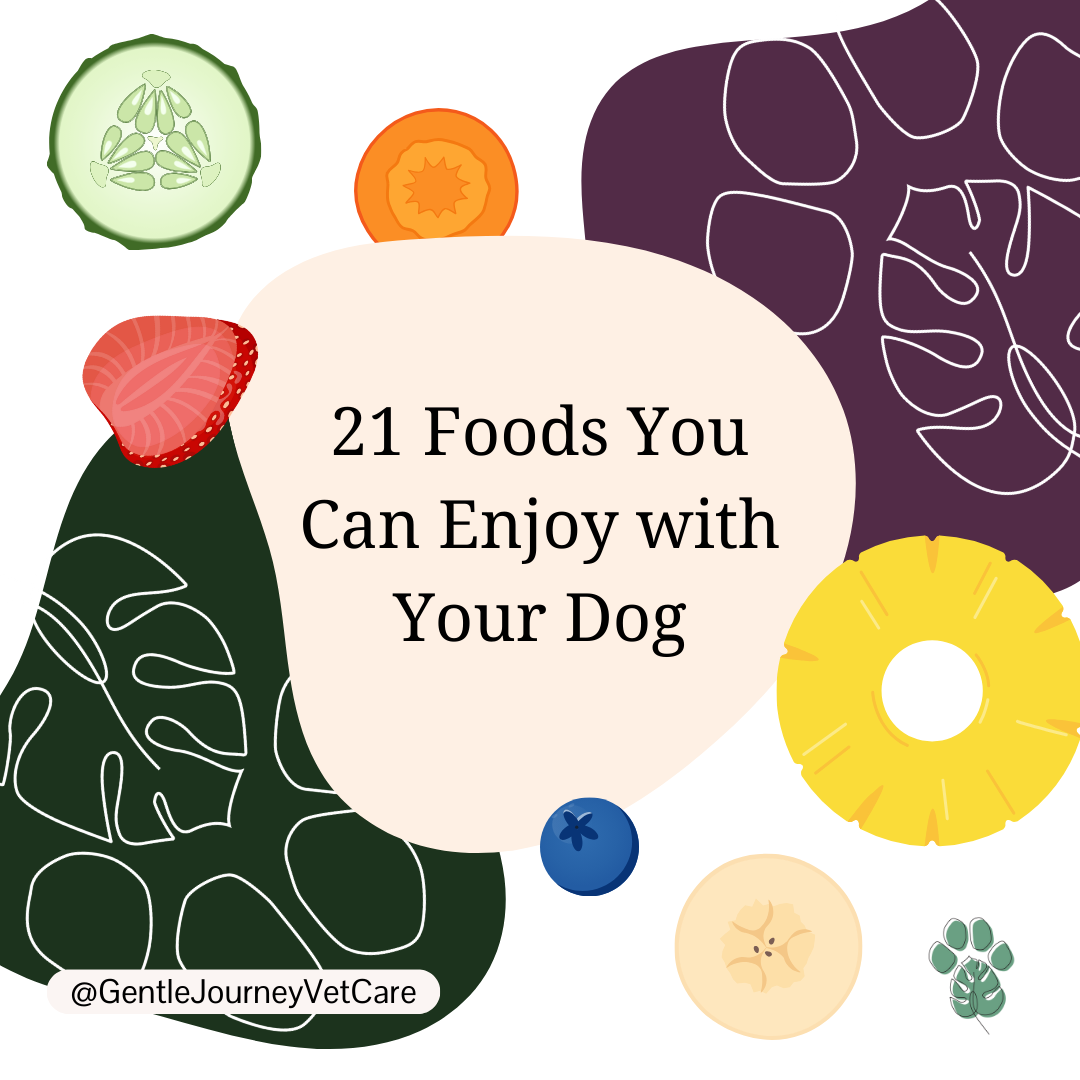
Dogs and cats can enjoy: apples, bananas, blueberries, broccoli, cantaloupe, carrots, chicken, cucumber, eggs, green beans, oatmeal (cooked and cooled), peanut butter; pears, pineapple, pumpkin, salmon, spinach, strawberries, sweet potato, watermelon, and zucchini.
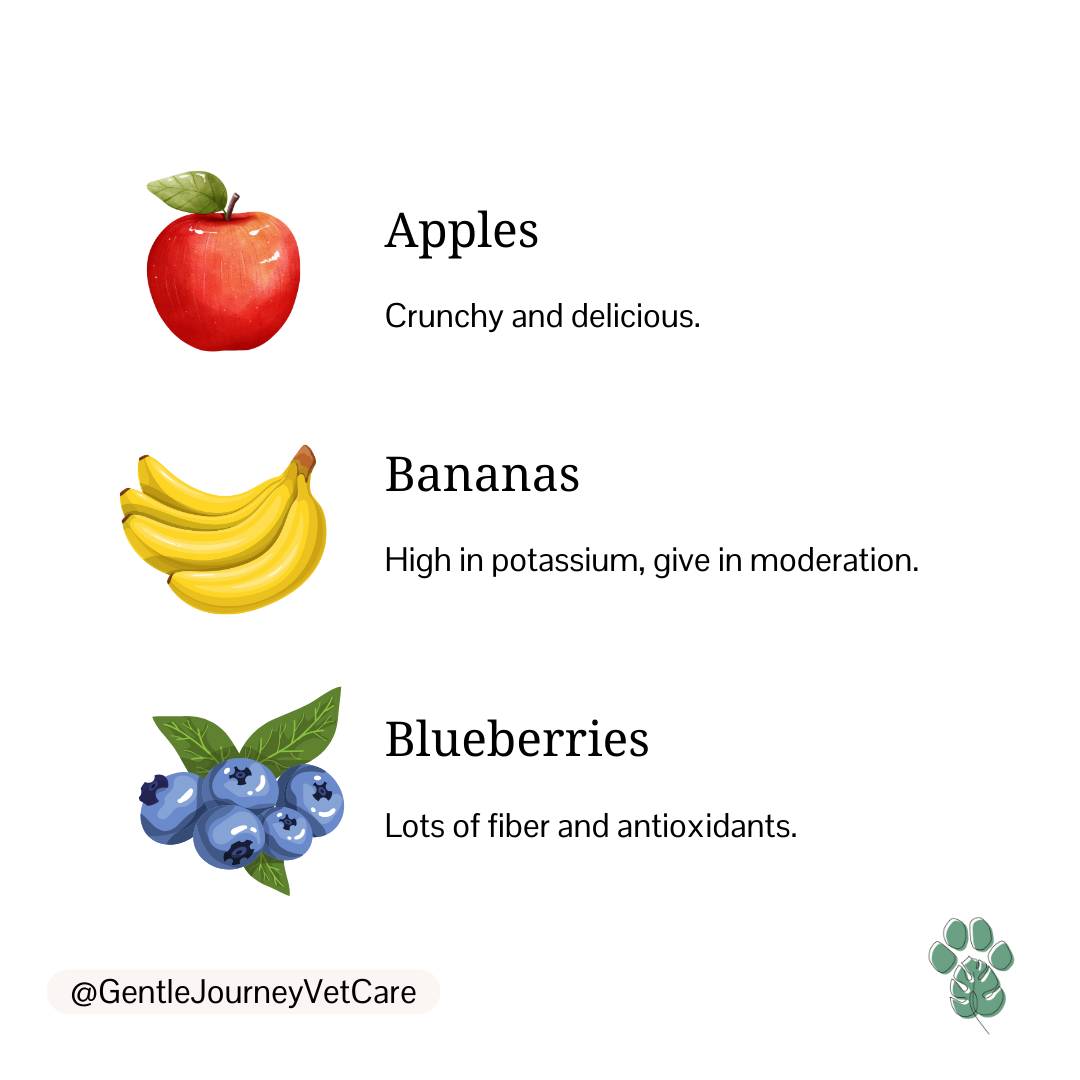
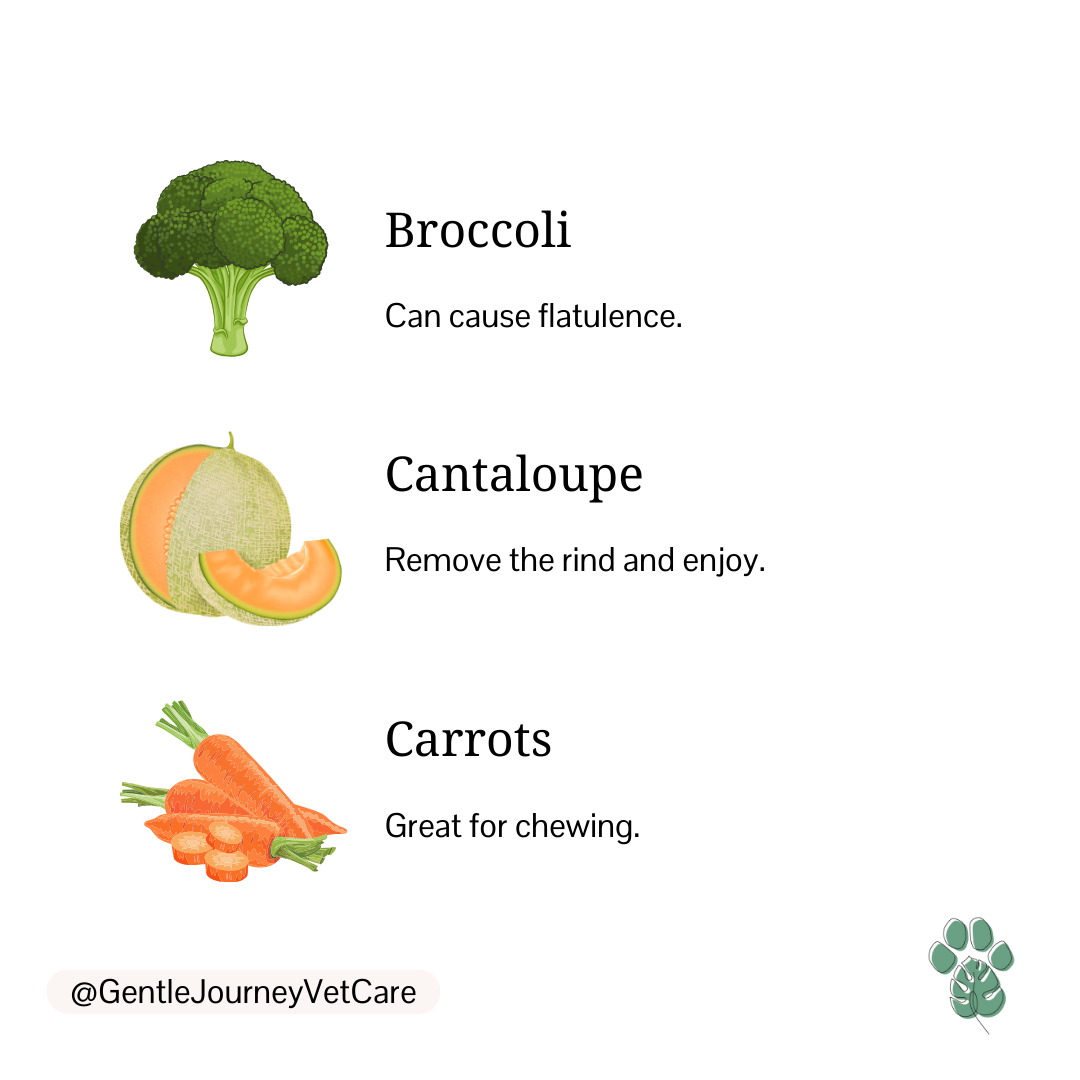
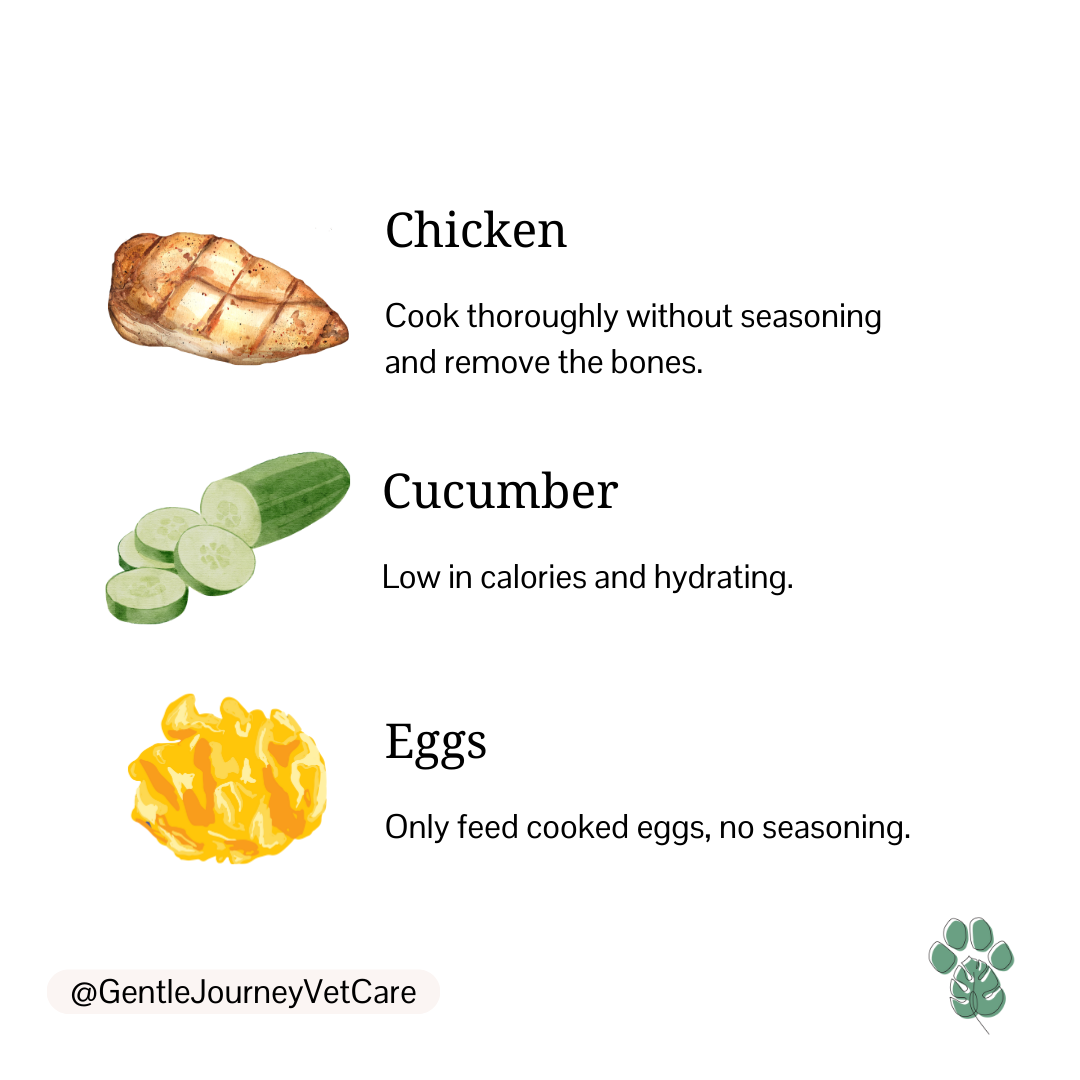
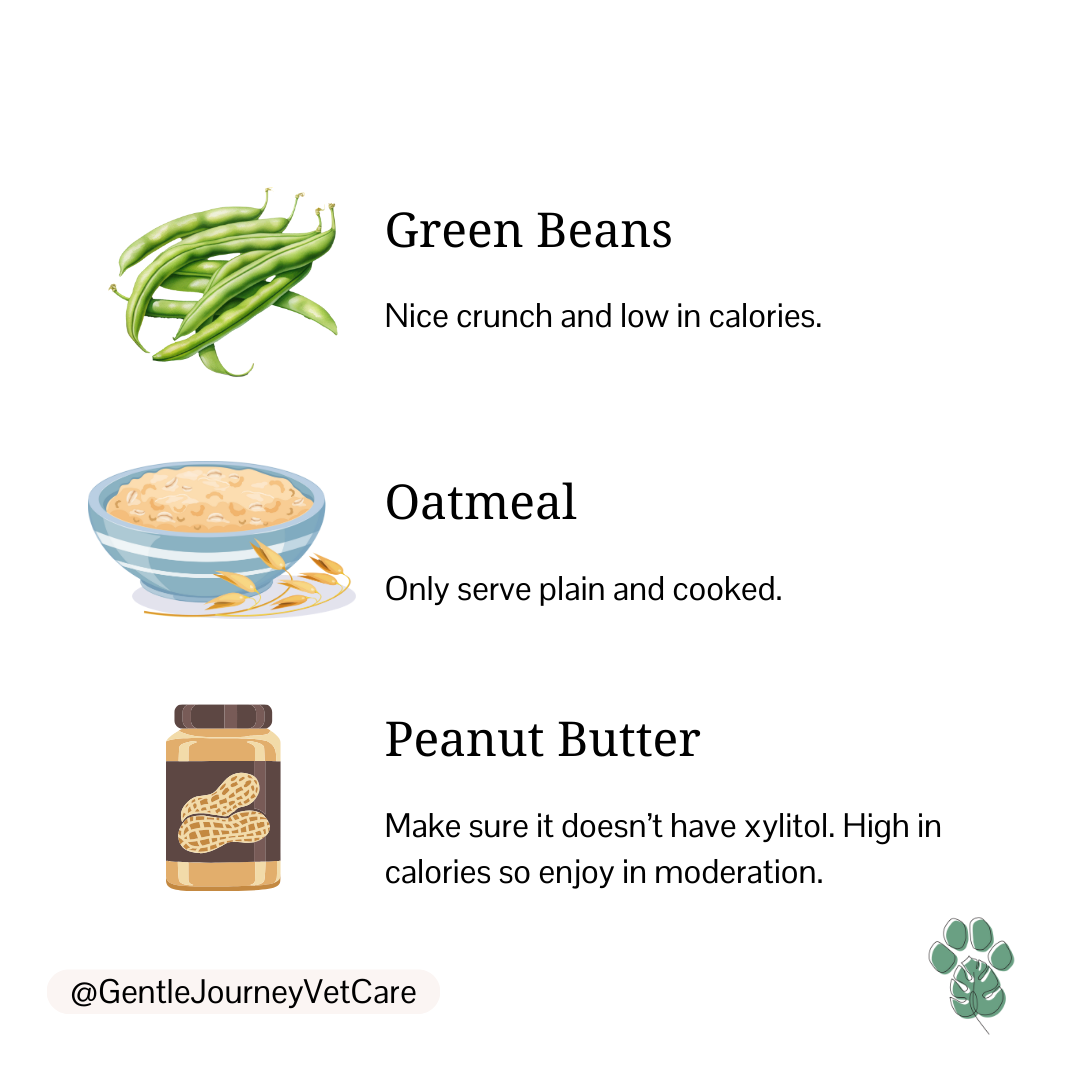
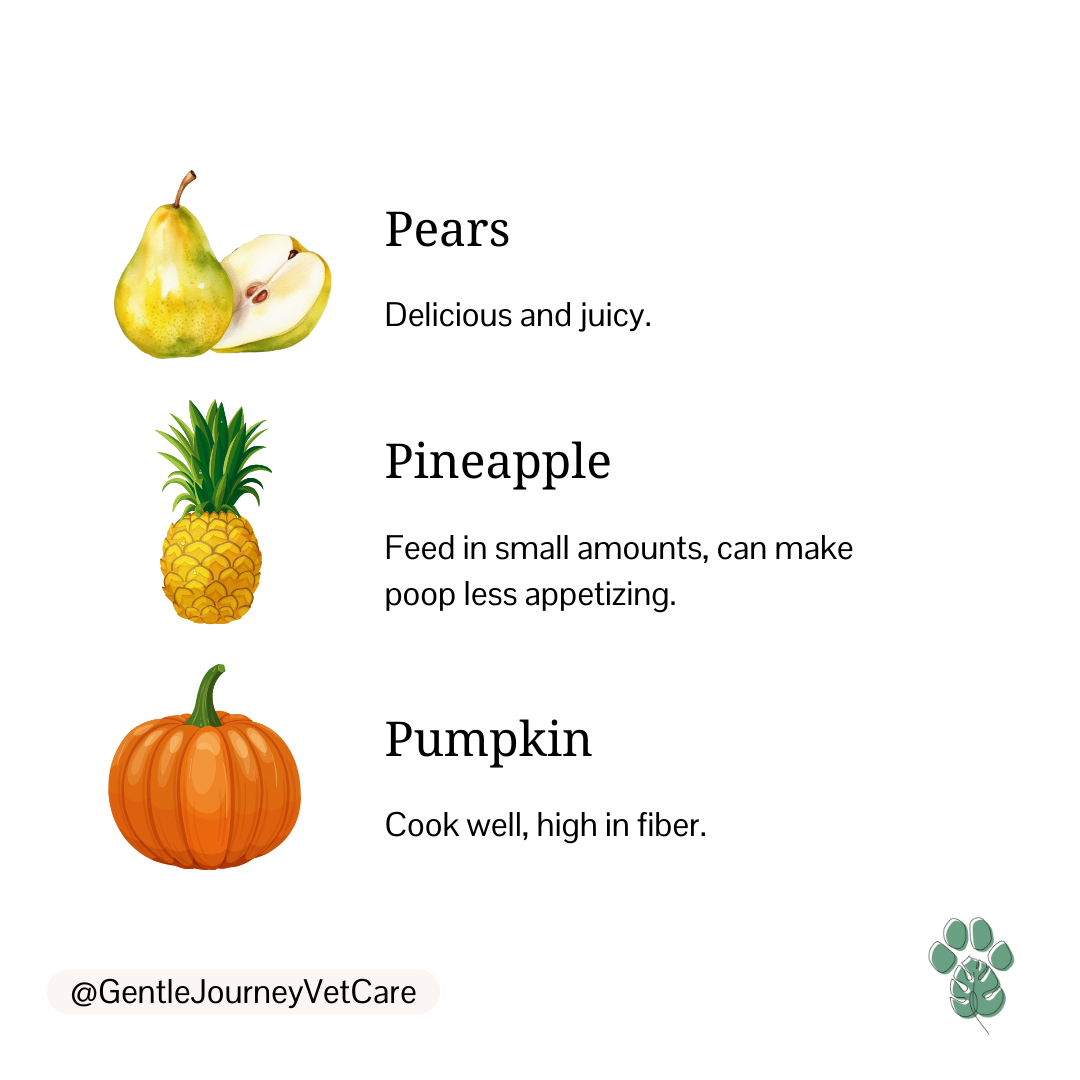
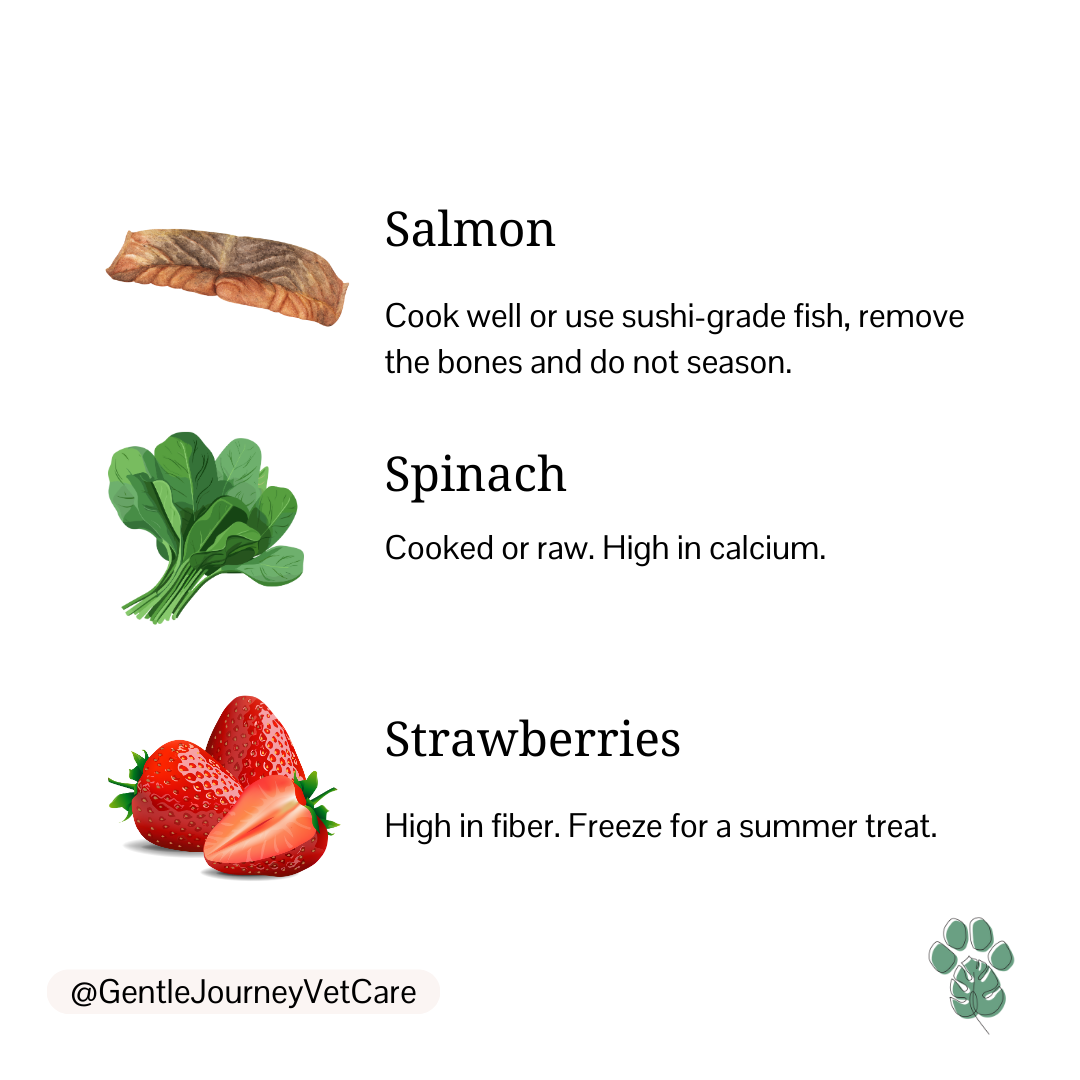
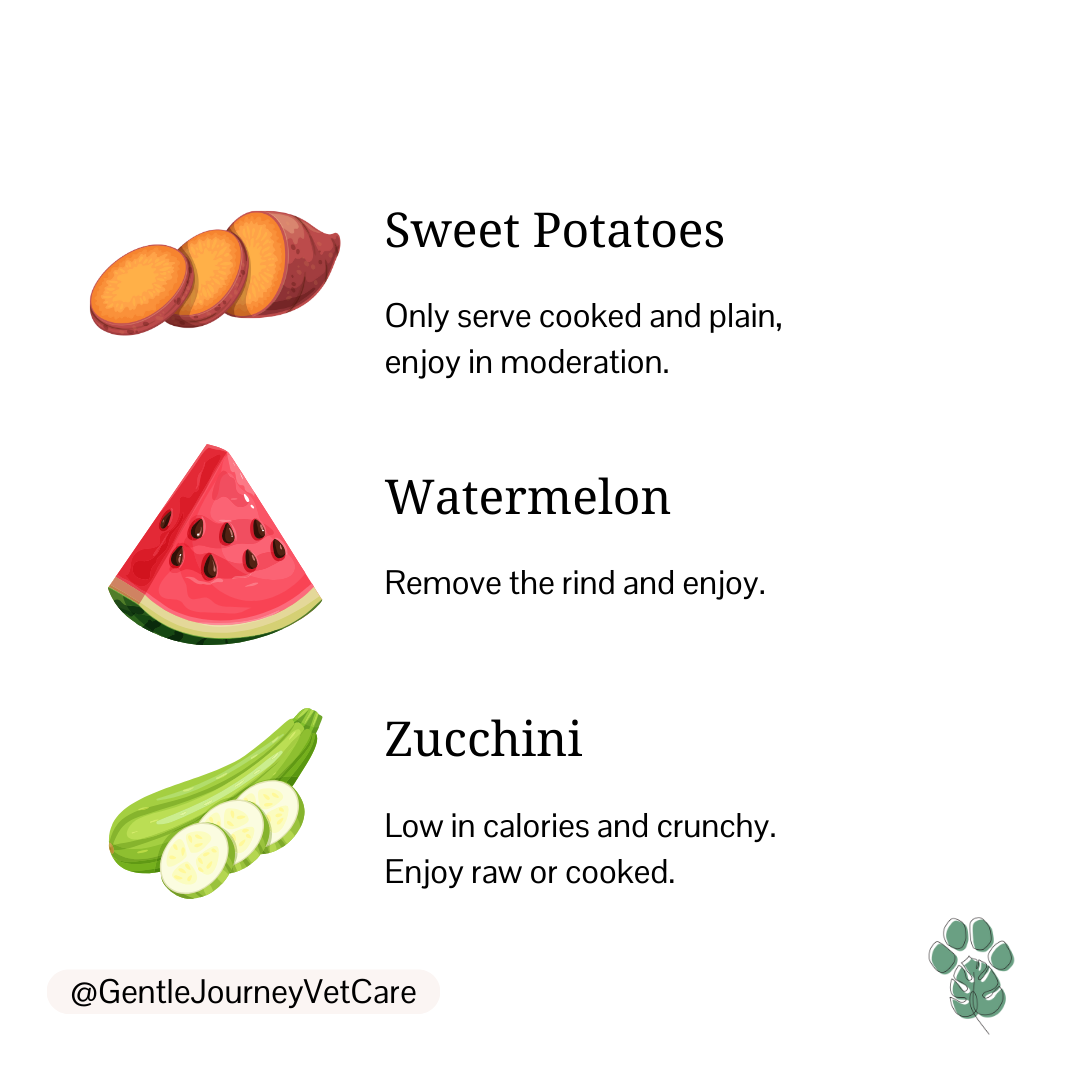
It is important to remember that each pet is different, and while these foods are typically safe for most dogs and cats, each pet has unique tastes and sensitivities. We recommend trying new treats in small amounts to avoid an upset stomach. No matter your pet’s preference, make sure their treats never surpass more than 10% of their daily food intake to avoid creating an imbalance in their diets.
Do Not Feed These Foods
Just as importantly, it's important to know what foods are not safe for your pet. While it can be tempting to share everything, this list helps you know some of the more popular foods that are not safe to share.
Especially during the holidays, there are a lot of gatherings of people with delicious foods. Make sure to secure trash, keep food in a safe place, and remind guests to not feed your pet.
Turkey bones
These bones are small and can easily break and splinter. This can cause blockages and a lot of internal damage to your pet’s gastrointestinal tract. They also can cause a pet to choke.
If you are going to share turkey, make sure it doesn’t have any skin, bones, or seasonings on it. Better yet, buy some low-sodium turkey meat if you want to include your pet.
Gravy
Gravy is rich in fat. High levels of fat can cause upset stomach and pancreatitis in pets. The pancreas becomes inflamed and can cause vomiting, diarrhea, dehydration, or even death in severe cases.
Even in mild cases, it causes pain for your pet and a severe upset stomach. You can give a low sodium broth instead.
Chocolate
Chocolate contains theobromine and caffeine. These can cause vomiting and diarrhea, hyperactivity, increased heart rate, and seizures. Luckily, this toxicity is directly based on the amount of chocolate eaten and your pet’s body weight.
For the look of chocolate without the danger, try carob treats instead.
Raisins/Grapes
Raisins and grapes can cause kidney failure. Make sure that nothing you are giving your pet has raisins or grapes mixed in. If they accidentally eat them, contact a veterinarian immediately.
If you want to give them something sweet, try blueberries.
Onions and Garlic
Onions, garlic, leeks, chives, and shallots are harmful for pets. They contain a compound that can cause red blood cell damage and anemia.
Be aware of stuffing or any other food that might contain these ingredients. To give your pet something savory, try green beans, carrots, or unseasoned cooked potatoes instead.
Xylitol /Birch Sugar
Xylitol, also labeled as birch sugar or birch sap, causes a drop in blood sugar and can cause liver damage, seizures and death.
It can be found in many products, like sugar-free sweets and peanut butter. Always check the label.
Unbaked bread
Unbaked bread dough contains yeast which can cause swelling when ingested. This bloating which is extremely dangerous as the stomach expands with gas and dough causing pain, changes to blood flow, and injury to the stomach or nearby organs.
Make sure to keep rising bread in a space where your pet cannot reach it. Share a piece when it’s done baking and cooled.
Avocados
These contain persin, which can cause vomiting and diarrhea in dogs and cats. For birds, avocado is much more toxic resulting in weakness and even swelling of the lungs.
Consider another green treat like broccoli or cooked zucchini.
Safety Tips for Unsafe Foods in Your Home
Food left out on counters and tables are a big culprit of accidental ingestions:
Secure trash cans or keep them outside or in a closed closet or cabinet.
Store food in a place your pet cannot reach like the refrigerator or a closed cabinet or drawer.
Remind guests that want to feed your pet which foods are safe or set out specific treats to be shared.
When you are cleaning up, be sure to take trash bags to the curb and do not leave them with your pet unattended.
Please remember that this is not a complete list. If you are unsure if your pet can have a certain food, please pass on giving it to them. It is better to be safe than sorry. Just because a food is pet-safe, does not mean it won’t disagree with your pet. When introducing new foods, start small and infrequent to monitor for any upset stomach including nausea, vomiting, soft stool, diarrhea or flatulence.
If you are looking for ways to enrich your pet and maintain or improve their quality of life, we can help. Set up an initial consultation today. Gentle Journey Vet Care starts new patients with a virtual consultation where a doctor will go over your pet’s history, current health status and create a customized care plan.